
Natural disasters, such as hurricanes, earthquakes, wildfires, and floods, can devastate communities in a matter of hours. Families lose their homes, access to clean water and food becomes limited, and healthcare systems are quickly overwhelmed. In these critical moments, emergency relief organizations play an essential role in stabilizing the situation and saving lives.
Immediate Assessment and Mobilization
When disaster strikes, response begins with rapid assessment. Teams evaluate the scope of the disaster, identify the most vulnerable populations, and prioritize the delivery of aid. Quick deployment is critical: the faster help arrives, the lower the risk of injury, illness, or death. Emergency Relief Organization, Inc. maintains pre-positioned supplies and a network of volunteers ready to mobilize at a moment’s notice.
Providing Essential Resources
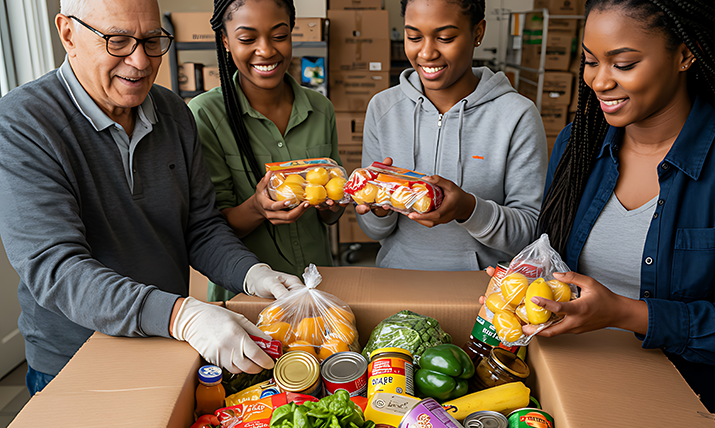
Once on the ground, organizations distribute food, clean water, medical supplies, and temporary shelter. These are not luxuries—they are life-saving necessities. Coordinated efforts ensure that aid reaches those most in need, even in remote or hard-to-access areas. In addition to immediate relief, trained staff provide first aid and mental health support to help individuals cope with trauma.
Coordination with Local Agencies
No organization works in isolation. Effective disaster response requires partnerships with local authorities, hospitals, community groups, and other nonprofit organizations. Sharing information and resources ensures an organized response and prevents duplication of efforts, allowing more families to receive assistance efficiently.
The Road to Recovery
While emergency relief addresses immediate needs, organizations also lay the foundation for long-term recovery. This includes supporting temporary housing, connecting families with counseling services, and assisting with rebuilding infrastructure. By combining immediate aid with strategic planning, nonprofits like Emergency Relief Organization, Inc. help communities regain stability and resilience.
Conclusion
Natural disasters are unpredictable and often devastating, but emergency relief organizations provide hope and tangible support when it matters most. Their ability to respond quickly, provide critical resources, and coordinate recovery efforts is what allows communities to survive, recover, and rebuild.